
How much does water line installation cost from a well to a house?
A home-improvement cost guide puts water line installation at $30 to $50 per linear foot, with the trench included. For a complete water line project, the same guide lists $800 to $3,000. Trenching alone runs $5 to $12 per foot.
Those project totals match runs of about 100 feet or less. A line from a private well is often longer, because state rules keep a well away from the septic system. At $30 to $50 a foot, a 200-foot run works out to $6,000 to $10,000. These are market numbers, not our price list.
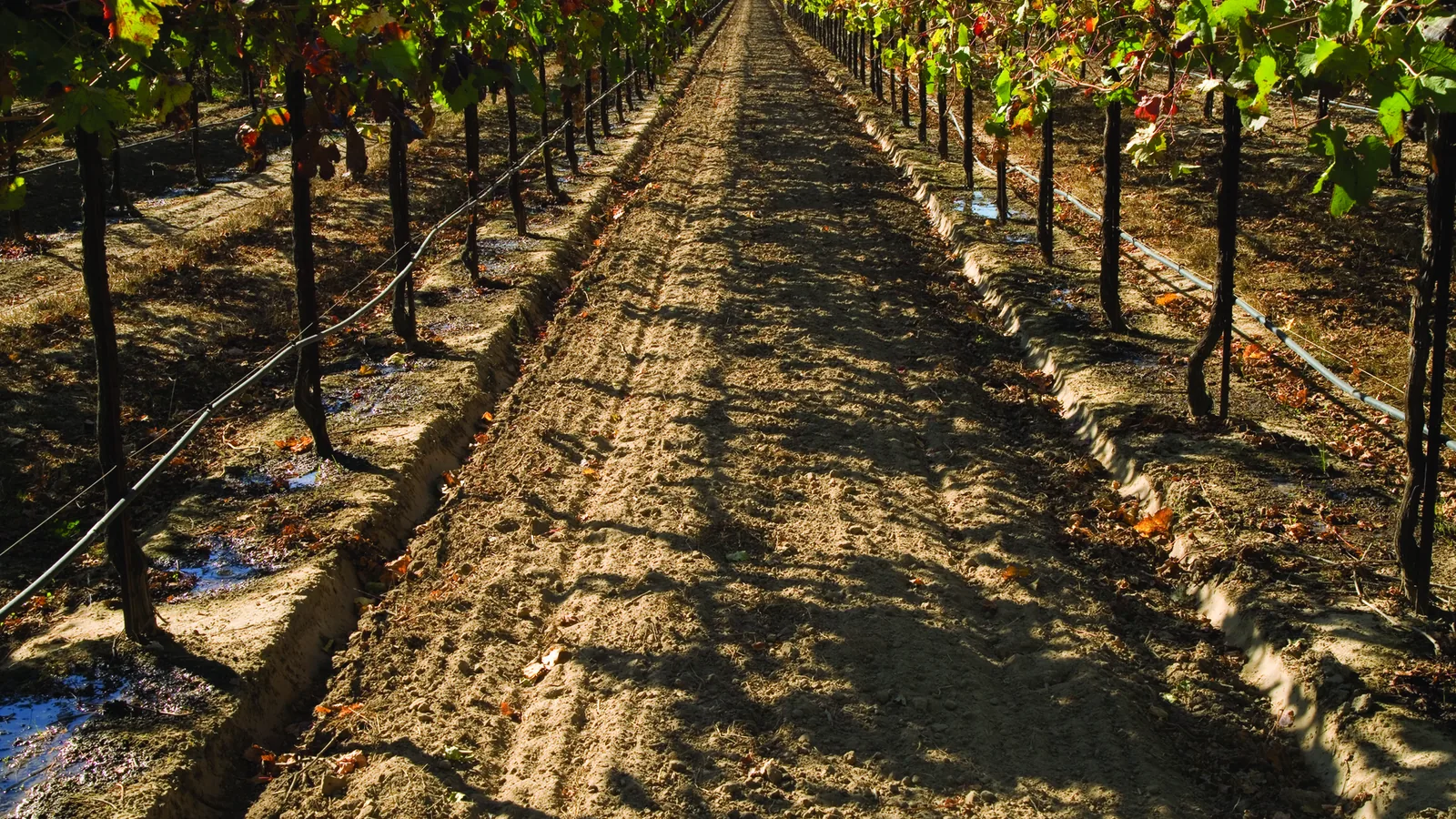
On a well job, one trench carries the water line to the house and the conduit for the pump’s power. Our water line trenching and installation covers that run, from the well head to the house.
What does a well-to-house water line cost per foot?
Cost guides price this work by the linear foot. These are the published market ranges that apply to a line from a well.
| Part of the job | Market range | Kind of source |
|---|---|---|
| Water line, installed with the trench | $30 to $50 per foot | Home-improvement cost guide |
| Complete water line project | $800 to $3,000 | Home-improvement cost guide |
| Trenching alone | $5 to $12 per foot | Home-improvement cost guide |
| Trenching labor by the hour | $35 to $65 per hour, materials extra | Home-improvement cost guide |
| Underground conduit | $5.50 to $25 per foot | Home-improvement cost guide |
| 1/2-inch PVC conduit, installed | $6 to $13.50 per foot | Home-improvement cost guide |
| PVC pipe, materials only | $0.50 to $5 per foot | National cost guide |
| Polyethylene pipe, materials only | $2 to $5 per foot | National cost guide |
| Copper pipe, materials only | $20 to $30 per foot | National cost guide |
| Repair on a home’s main water line | $500 to $2,000 | National cost guide |
Distance drives most of the total. The next table multiplies the guide’s $30 to $50 per foot by common run lengths.
| Run from the well to the house | At $30 to $50 per foot |
|---|---|
| 50 feet | $1,500 to $2,500 |
| 100 feet | $3,000 to $5,000 |
| 150 feet | $4,500 to $7,500 |
| 200 feet | $6,000 to $10,000 |
| 300 feet | $9,000 to $15,000 |
This is plain multiplication, not a quote. The pump’s conduit and the crossings on your run move the real number.
Why is the well so far from the house?
California’s well standards set how close a well may sit to a septic system or a sewer line. A well must sit at least 100 feet from a watertight septic tank or a leach field. It must sit at least 50 feet from any sewer line, main or lateral.
The same standards call for 150 feet from a cesspool or seepage pit, and 100 feet from an animal enclosure. When the septic tank and leach field sit close to the house, the well goes farther out.
Every extra foot adds more trench and more pipe. Distance also decides the pipe size. A national cost guide ties pipe diameter to the distance from the water source and the change in height. The pump wire gets sized for the length of the run too.
What else drives the price of a water line from a well?
The soil comes first. A home-improvement cost guide says trenching costs less in soft, loose soil. Hard clay and rocky ground cost more.
Then the pipe. A national cost guide calls PVC the least expensive pipe material. It says polyethylene holds up to heat and cold, and copper costs the most per foot.
The pump circuit rides in the same trench. Guides price conduit as its own job, at $6 to $13.50 per foot installed for 1/2-inch PVC. In a shared trench, the digging happens once, so the two prices do not simply add up.
Crossings add work. A driveway or a concrete walk in the path adds cutting and patching. Trees in the way can force a longer route.
At the well, the line ties in near the well head. The well pressure tank and the pump controls often sit there too. At the house, the line ties in where the house plumbing begins.
Plumbing inside the house is a plumber’s job. When the pump circuit starts at the house panel, work at that panel is electrical work at the house.
Before any digging, 811 gets a call. It is a free call-before-you-dig service, and the regional one-call center asks for at least two working days notice. Marked lines can change the route of the trench.
How deep do the water line and the pump circuit go?
How deep the water line itself sits is a plumbing code question, and your county building department applies that code to your parcel. Ask for the depth of your line in the estimate.
The pump’s power has its own rule. The National Electrical Code’s burial table calls for 18 inches of cover over PVC conduit. Cable buried without conduit needs 24 inches.
The code allows 12 inches for some small home circuits. That allowance covers only 120-volt circuits of 20 amps or less with GFCI protection. A well pump circuit that runs above 120 volts takes the deeper cover.
With both lines in one trench, the trench goes to the deeper rule. A home-improvement cost guide notes that most home trenches stay under 5 feet deep. A trench 5 feet deep or more needs shoring or another protective system.
Should you repair the old line or run a new one?
A leak in a buried line can show up in the yard. Look for a soggy spot or a green strip across dry ground. The pump may also kick on with every tap closed, much like a well pump that short cycles.
A national cost guide puts a repair on a home’s main water line at $500 to $2,000. It says a repair may save money, especially on very long lines. A line that keeps breaking may be worth replacing.
A break that leaves the house dry is a no-water call. We take well and pump calls 24 hours a day, seven days a week, through our 24-hour emergency well service.
When does a new well mean a new water line?
A replacement well is drilled in a new spot, so its line runs from the new well head. The new spot has to meet the same setbacks from the septic system and sewer lines. That can make the new run longer than the old one.
A new well also needs a pump and a pressure tank before water reaches the house. Our page on well pump installation and replacement covers the pump side. For the drilling side, read what a new well costs in the Central Valley.
How do you get a real number for your run?
A real price starts with your run: how long it is and what sits in the path. The free on-site estimate looks at the trench, the pipe, the pump conduit and the connections at each end.
Big River Drilling is a licensed C-57 well drilling contractor based in Riverdale. We work Fresno, Kings and Tulare counties. The same company drills the well and runs the lines to the house.
Call or text (559) 867-3806 for a free on-site estimate. Learn more about our water line trenching service.