Who gets utility water in Selma, and who pumps a well?
Selma's water utility runs 10 active wells and more than 80 miles of pipe. Three of those wells feed carbon filters for TCP, a chemical once used mostly as a soil fumigant. Private wells do not have to meet drinking water standards, the county notes, so testing is up to you. A state-certified lab can test your water, and we can point you to one.
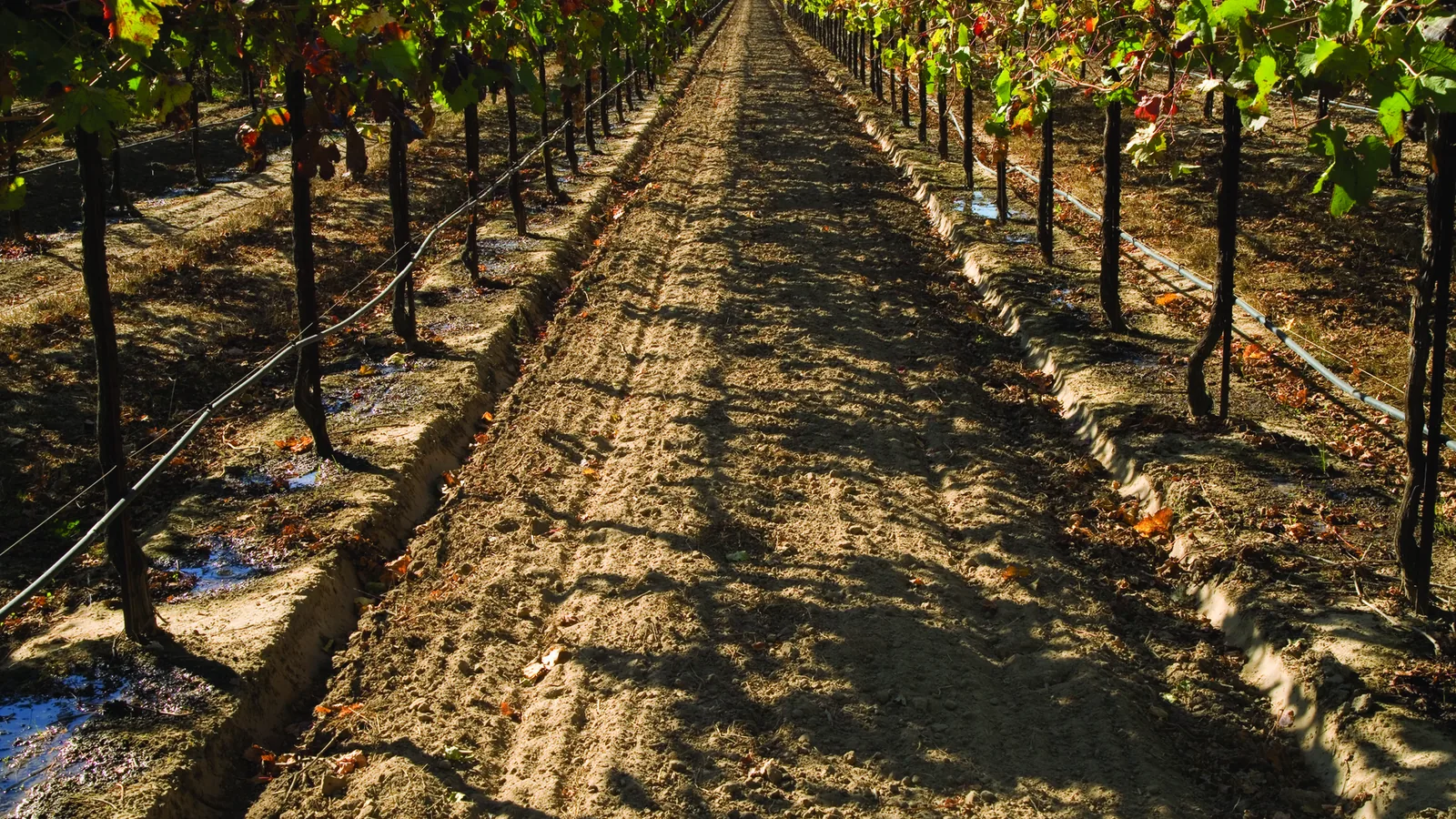
Outside city limits, rural homes pump their own wells. That takes in the vineyards toward Fowler, Kingsburg and Parlier and the county land toward Caruthers and Laton. The city covers less than a tenth of the land in the 93662 ZIP code area, per the Census Bureau. State well records list 246 new household wells and 126 new irrigation wells with a Selma address since 1990.
Selma sits at the crossroads of Highways 99 and 43, with Fowler to the north and Kingsburg to the south. We come over from Riverdale on Highway 41, Mountain View Avenue and Highway 43, about 21 road miles.
Farmers here traded wheat for peaches, plums and grapes on the sandy soil. Raisins became the big crop, and in 1963 Selma adopted the slogan Raisin Capital of the World. A marker in town says the San Joaquin Valley's groundwater was first tapped with a practical pumping plant in 1894. That steam-powered well stood 4 miles northeast of Selma and pumped 350 gallons a minute.
How deep are wells around Selma, and why do they go dry?
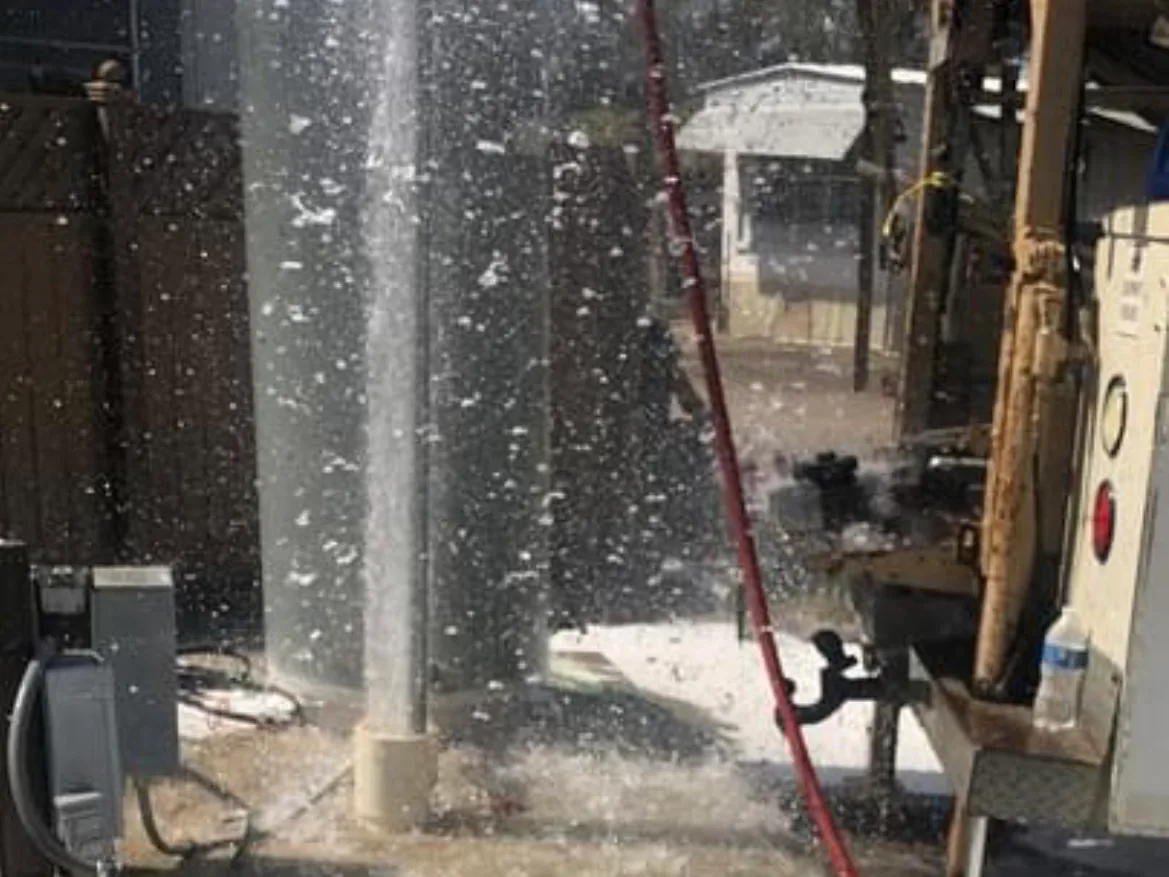
New household wells around Selma keep going deeper. For wells with a Selma address, the median depth was about 196 feet from 1990 to 2009. It rose to about 308 feet in the 2010s and 340 feet since 2020, per state well completion reports. The middle half of the recent wells ran 300 to 400 feet.
The water has dropped too. Drillers logged a median water level about 50 feet down from 1990 to 2009, and about 90 feet since 2020. At eight state monitoring wells near Selma, water sat about 30 feet deeper in spring 2025 than in 2005.
Of the 41 dry well reports from Selma addresses, 27 came in 2021 and 2022. The latest came in July 2026. Where a report gave the well's depth, most were 150 feet deep or less.
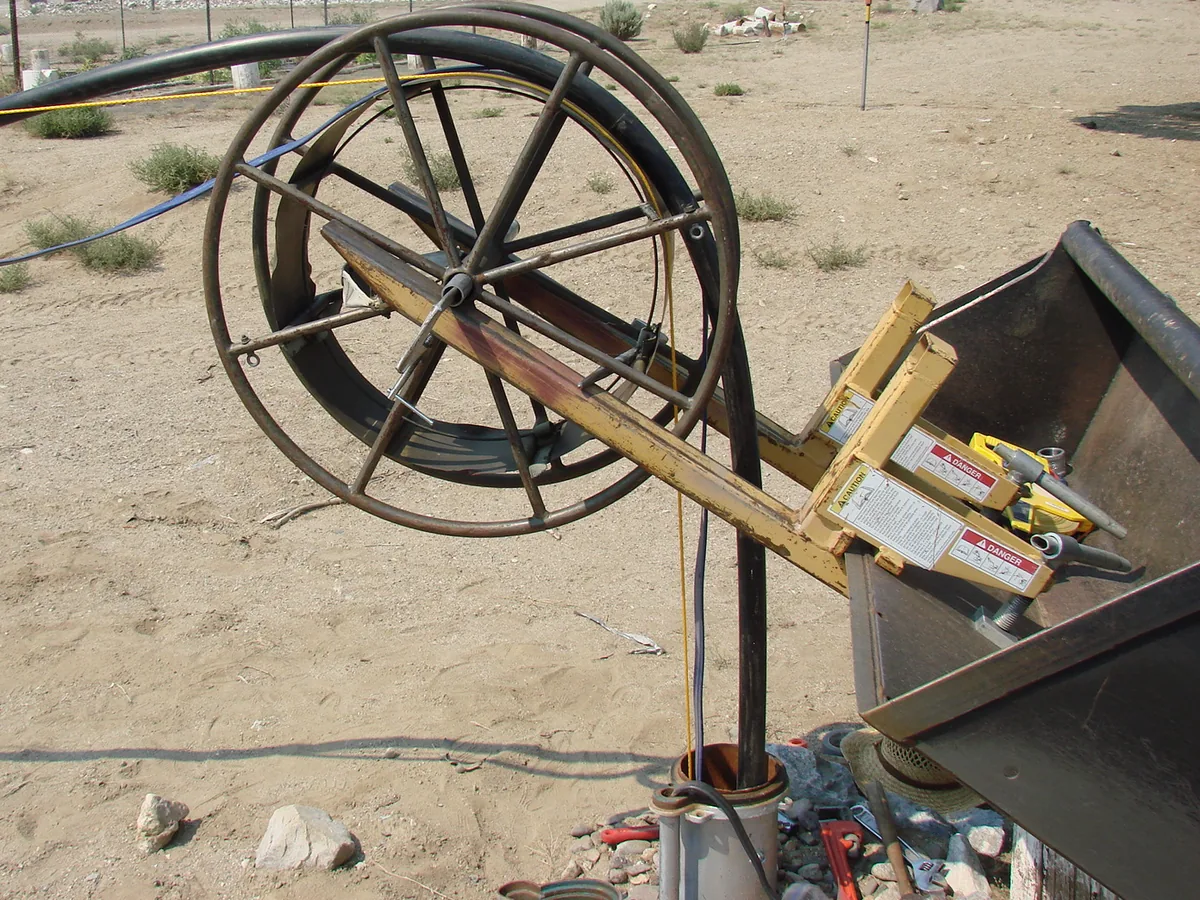
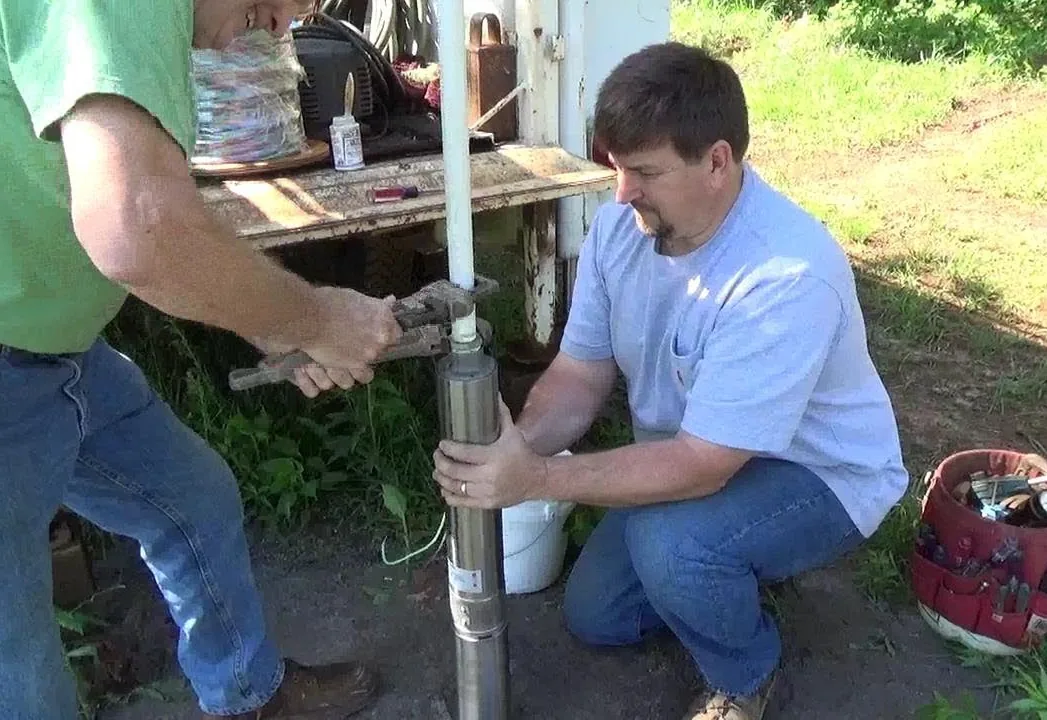
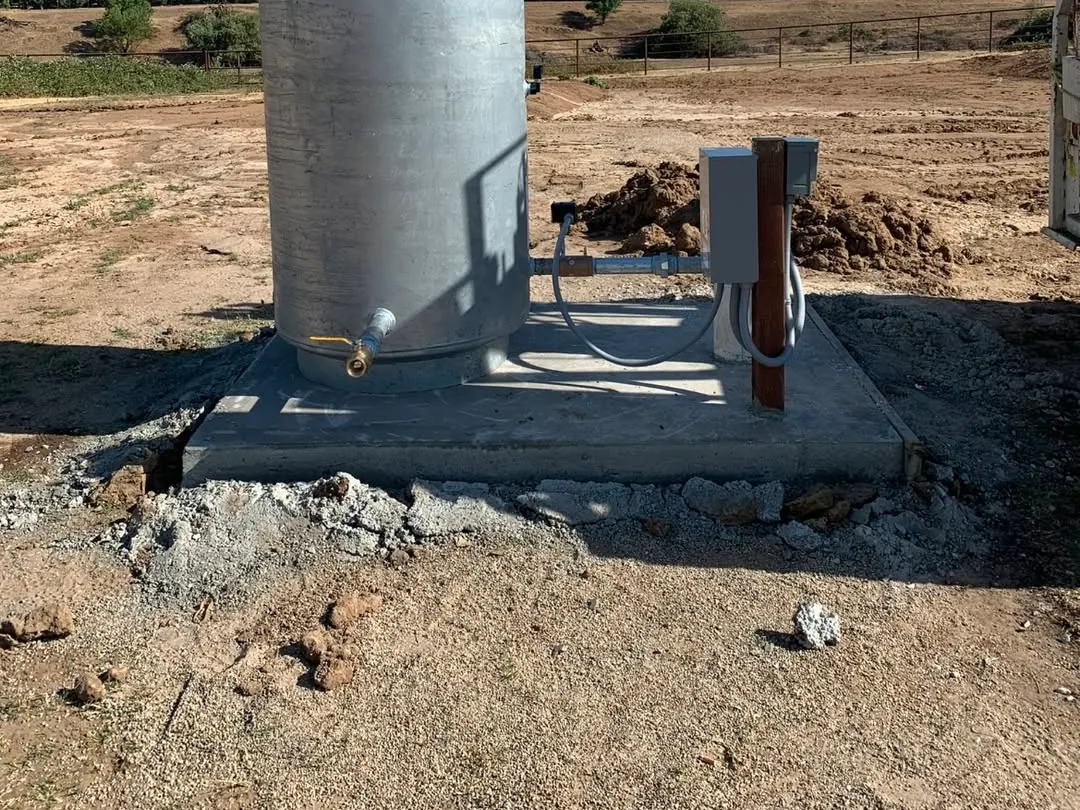
No water at the tap does not always mean a dry well. A worn pump, a failed pressure switch or a waterlogged pressure tank can stop the water too. We test from the breaker down to the water level, then fix the fault or handle well pump replacement. If the well itself has gone dry, a deeper replacement well is often the fix.
The Central Kings GSA, SGMA and your well permit near Selma
Around Selma, the Central Kings GSA manages groundwater under SGMA, the state's groundwater law. It is one of seven agencies in the Kings Subbasin, and the local irrigation district's board runs it. The board meets monthly in Selma, and the public can attend.
The district ponds Kings River water in basins so it can soak down and refill the groundwater. It recharged about 18,000 acre-feet in the 2025 water year and plans 1,000 acres of new basins by 2031. Across the subbasin, levels fall in normal and dry years and rise in wet ones, per the agencies' annual report.
The state approved the Kings Subbasin plans in August 2023, with corrective actions. One calls for a funded program to help drinking water wells hurt by falling water levels. Money for the Central Kings program covers interim dry-well measures and well replacement.
Outside city limits, Fresno County issues the well permit, and we apply for it as the licensed driller. The county inspects the sanitary seal, which must reach at least 20 feet down. Household well permits usually go through normally, the county says, but ask your GSA about limits on use. At the final inspection of a new household well, the county samples the water free of charge when it can.
Communities and areas we serve around Selma: Fowler, Kingsburg, Parlier, Del Rey, Bowles, Monmouth, Conejo, Laton.
Selma ZIP codes served: 93662.